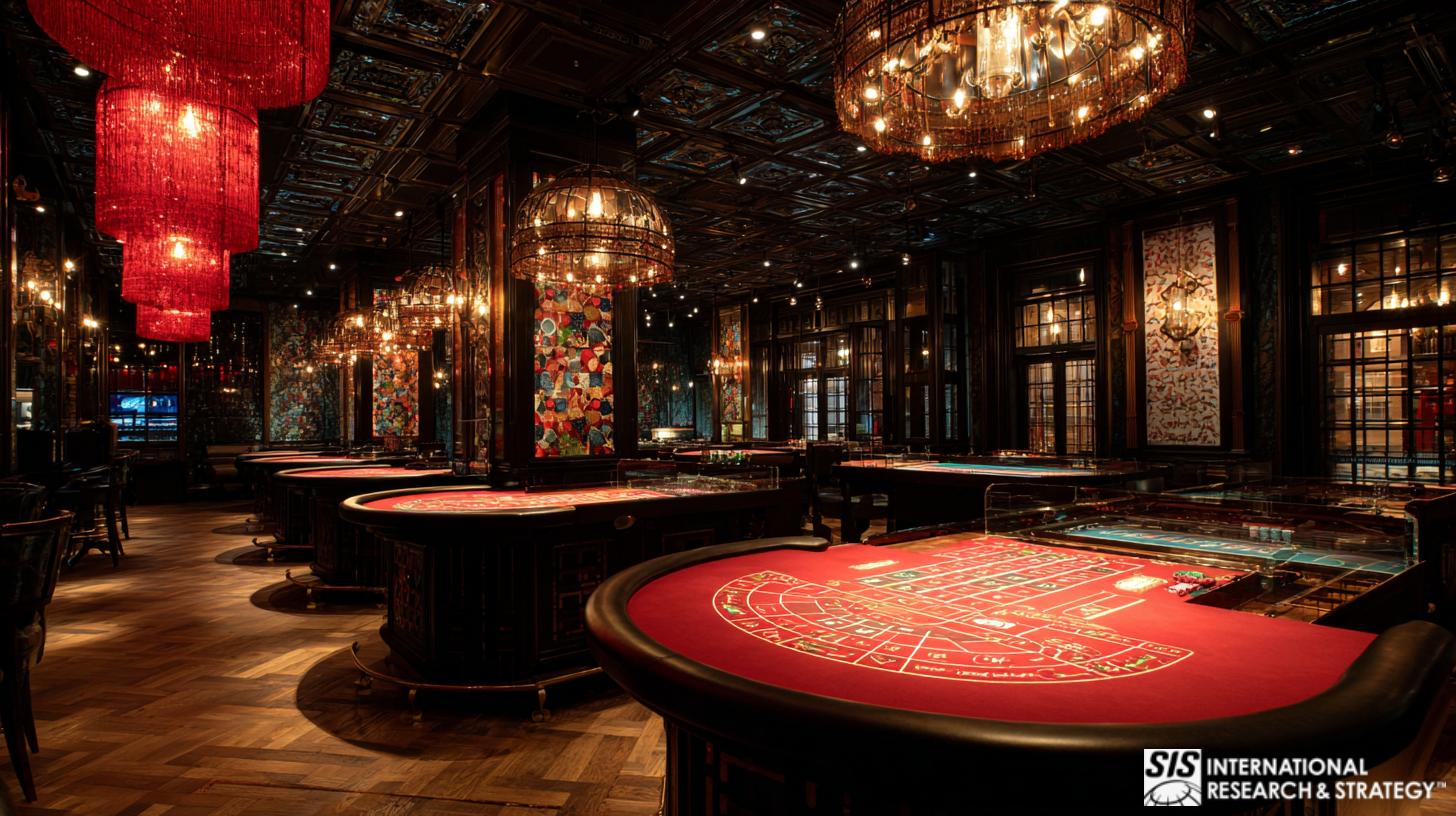
In the realm of entertainment and leisure, few industries are as captivating as the casino sector. Today, we delve into the fascinating world of casinos operating internationally, exploring their impacts on tourism, economy, and culture across various regions.
Understanding International Casinos
International casinos are establishments that accept bets from players across national borders. This system is facilitated by online platforms and physical locations in tourist-friendly countries that attract global visitors. The increasing popularity of online gambling has further blurred the lines, allowing players from various parts of the world to participate without ever stepping foot into a physical casino.
x719.png» style=»max-width:100%; height:auto;» />
Popular International Casino Destinations
When we think of global gambling hotspots, several cities spring to mind:
Las Vegas, USA: Often referred to as the gambling capital of the world, Las Vegas is home to some of the largest and most famous casinos, including the Bellagio and Caesars Palace. It attracts millions of visitors each year, making it a hotbed for gaming and hospitality.
Macau, China: Known as the ‘Gambling Capital of the World’, Macau has overtaken Las Vegas in terms of gambling revenue. Its luxurious resorts, such as The Venetian and Wynn, offer a unique blend of gambling and entertainment in a rich cultural context.
Monte Carlo, Monaco: Monte Carlo’s Casino de Monte-Carlo epitomizes luxury and elegance. The area attracts wealthy individuals seeking high stakes and exclusive experiences.
Sydney, Australia: The Star Sydney is one of the most prominent casinos in Australia, featuring not just gaming but a full entertainment experience including dining and live events.
Singapore: With its Marina Bay Sands and Resorts World Sentosa, Singapore has emerged as a major player in the international casino scene, combining state-of-the-art facilities with a vibrant city atmosphere.
Regulatory Frameworks
The landscape of international casinos is significantly shaped by the regulatory frameworks existing in different countries. Each jurisdiction has its own set of laws that govern gambling, which can range from stringent regulations to a more laissez-faire approach.
For example, in places like Malta or Gibraltar, regulations are in place to ensure a fair gaming environment while allowing businesses to flourish. These jurisdictions offer licenses to online gambling operators, making them attractive locations for international casino operations. In contrast, countries with strict anti-gambling laws see limited international casino activity.
Online Gambling Trends
The advent of the internet has revolutionized the casino industry. Online casinos have grown exponentially, allowing players to engage in gambling from the comfort of their homes. The following trends have emerged alongside this growth:
Mobile Gaming: With the proliferation of smartphones, mobile gaming has surged, leading casinos to optimize their platforms for mobile users.
Live Dealer Games: These games offer a blended experience, allowing players to interact with real dealers through live video streams, simulating the feel of being in a physical casino.
Crypto Gambling: Cryptocurrencies have started to gain traction in the casino market, providing a layer of anonymity and security for players who prefer digital currencies.
The Economic Impact of International Casinos
International casinos contribute significantly to local economies through job creation, tourism promotion, and tax revenues. Cities that host prominent casinos often see an influx of tourists, who contribute to surrounding businesses, including hotels, restaurants, and retail shops.
Moreover, casinos frequently sponsor community events and charities, reinvesting a portion of their profits back into the local areas. However, the economic impact is not solely positive; critics argue that the social costs, such as gambling addiction and crime, must be addressed to balance the benefits.
Cultural Considerations
Casinos also reflect and influence local cultures. In places like Macau, where gambling is deeply intertwined with tradition and festivities, casinos can be seen as part of the cultural fabric. Conversely, areas that traditionally oppose gambling may face tensions between economic benefits and social values.
Future Outlook
As technology continues to advance and regulations evolve, the landscape of international casinos will undoubtedly change. Trends towards sustainability, responsible gambling, and enhanced player experience will shape the future. With the global gaming market projected to grow significantly in the coming years, international casinos are poised to remain a vital part of the leisure industry.
Conclusion
Casinos operating internationally offer not only entertainment but also a glimpse into how different cultures approach gambling. The interplay of global tourism, local economies, and regulatory frameworks paints a complex but fascinating picture. As the industry continues to evolve, players, operators, and regulators must navigate these waters carefully to balance enjoyment with responsibility.